1. Strawberries — in season from December to May
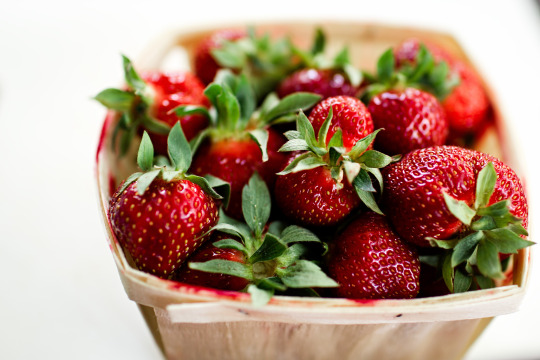
Japanese strawberries are known for being sweet and beautiful to look at. They are often used on cakes, inside Ichigo Daifuku, or strawberry mochi, dipped in Ichigo Milk (a condensed milk topping), or just eaten plain. If you live near a strawberry farm, you can also go strawberry picking with your friends, family, or even on a date.
2. Satonishiki Cherries — in season from May to July
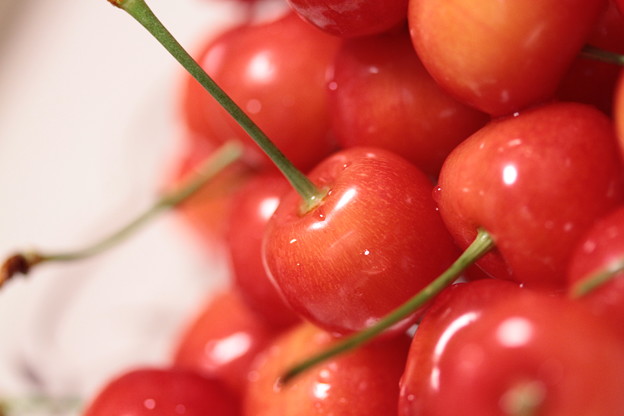
Cherries are a minor crop and these cherries are only grown in Yamagata Prefecture. They are known for their lighter colour skin and flesh. They are very sweet, and as with all Japanese produce, very pleasing to look at. Cherries are typically eaten by themselves or as a yogurt topping.
3. Japanese Plums (Ume) — in season from June to July
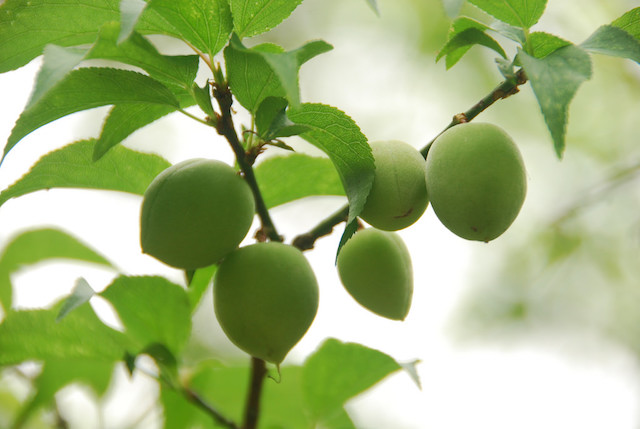
Japanese plums are one of the most versatile fruits in Japanese cuisine. It is most widely known for the sour Umeboshi, or pickled plum. It is also used to make plum wine, plum "vinegar", plum juice, traditional plum sweets, and the blossoms are even used to garnish various dishes. If you're a home brewer of wine or beer, why not try your hand at plum wine this year?
4. Melons — in season from June to August
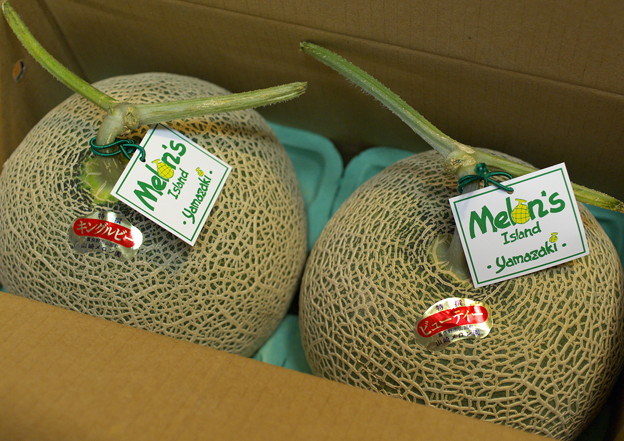
Japanese melons are known for their handle-like stems and sweet light-green flesh. The taste is somewhere between a cantaloupe and a honeydew, and they can be very expensive depending on what area and what farm they come from.
"Designer" melons can run into the thousands of dollars, but you're not likely to see them at your local grocery store. Eat them plain, cut them up for fruit salad, or cube it into yogurt. It's a delicious, refreshing treat on a hot summer day!
5. Peaches — in season from June to September
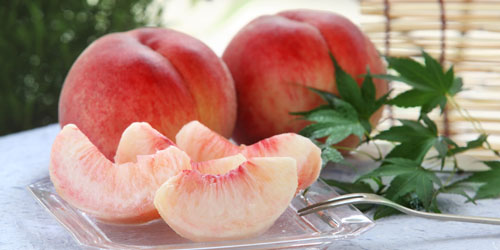
Japanese peaches are marked by their pale, variegated flesh and supple pink skin. They are very sweet and juicy without being stringy. They are often used in tarts, sorbets, as a yogurt topping, or eaten plain. Japanese people usually peel them before eating, but the skin is full of flavour and vitamins, so bon appetit!
6. Kyoho Grapes — in season from July to October
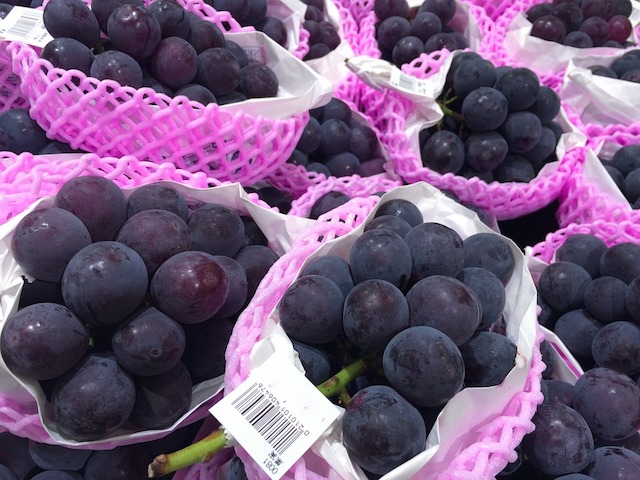
These grapes are very large, growing up to the size of a small plum. While you can eat the skin and the seeds with no ill effect, they are quite bitter, so most people peel and seed them. You can eat them straight, freeze them for a sweet treat or to chill your wine without watering it down.
7. Blueberries — in season from July to August
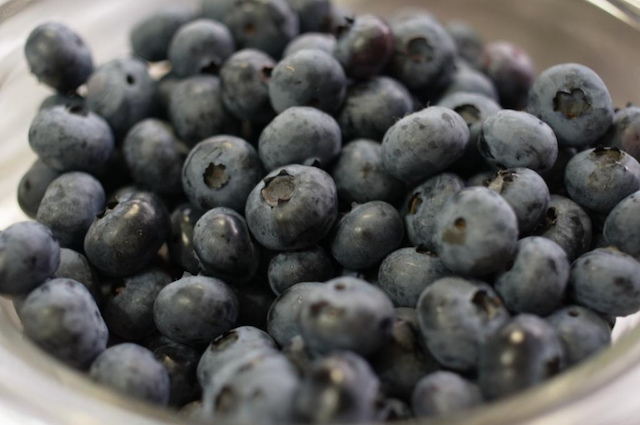
Blueberries in Japan are fairly standard. They can be used in a variety of ways, from yogurt topping, to making jams, jellies, and pie filling, as a cake topping, or you can freeze them for a cool summer treat.
8. Fuji Apples — in season from September to December
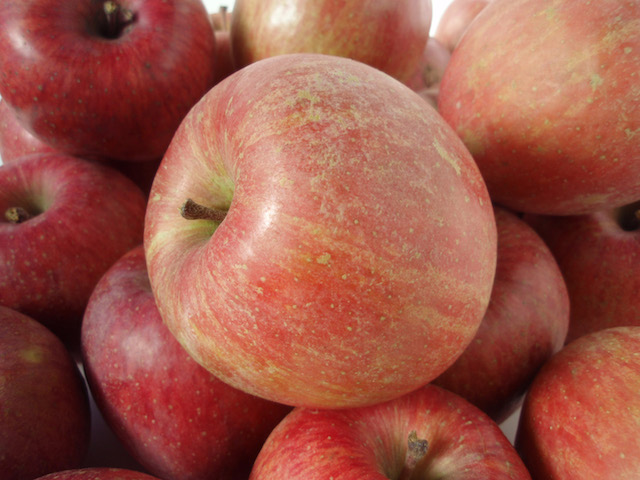
Fuji apples are just about the only apple you can get in Japan. They are large, crisp, sweet, and juicy. You can buy them outside of this season year-round because of their long-shelf life and resilience during refrigeration.
You can eat them straight, make apple pie, cut them up into yogurt, and if you're lucky enough to have peanut butter or caramel topping, you can have a decadent, healthy-ish snack! You can also get candied fuji apples at any festival for a cultural treat.
9. Asian Pears (Nashi) — in season from September to October
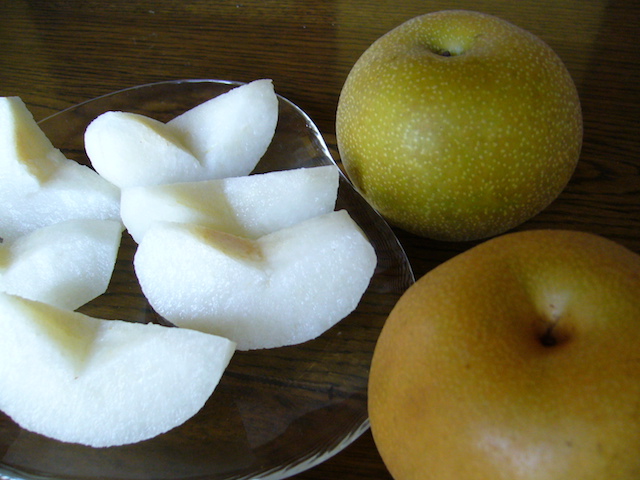
Nashi, or Asian pears, are much different from the funny-shaped western variety. The flesh is crisp, juicy, and refreshingly sweet. They are not soft, grainy, or, well, pear-tasting. They are most often eaten straight or put in pear tarts and other delicacies at cake shops.
10. Mandarin Oranges (mikan) — in season from October to January
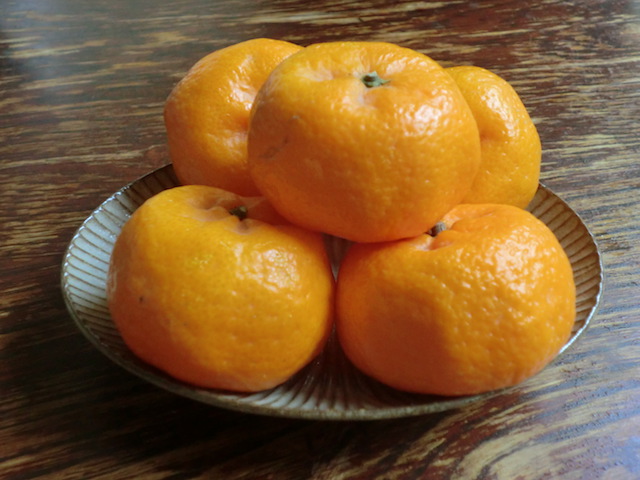
Mandarin oranges, or mikan, are a very popular fall/winter fruit in Japan. They peel easily and are sugary sweet. Most people eat them as you would any orange, but you can also get candied mikan at festivals. You can buy them by the bag or box, and are cheaper than other fruits.
11. Yuzu — in season from November to December
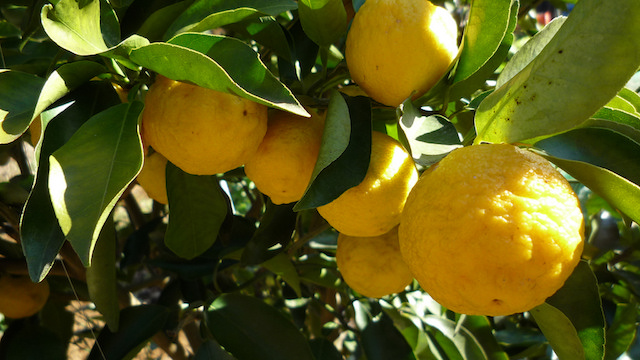
Yuzu is another versatile fruit. The taste is similar to grapefruit with a hint of orange, but surprisingly, the fruit itself is not often eaten. Mostly the rind is used in sweet and savory cuisine. It is candied for use in daifuku (sweet mochi balls with red bean paste inside), ice cream, and even chocolate.
The rind is also used in savory dishes. For example, it is often added as a topping to savory custard (chawanmushi), made into furikake (rice seasoning), or to make sour and spicy sauce and vinegar.
Aside from the culinary uses of yuzu, Japanese people also put yuzu into their baths on the winter solstice to help rid their bodies of exhaustion and rejuvenate themselves. Western people may find it strange to put fruit in the bath, but this December, why don't you give it a try?
12. Japanese Persimmons — in season from December to February
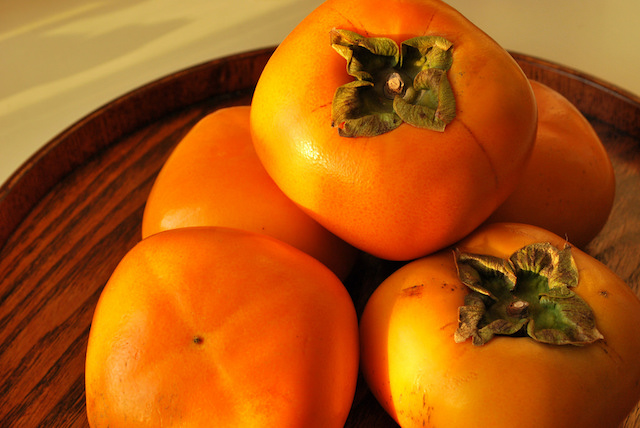
Japanese persimmons are firm and sweet, and they get sweeter with age and ripening. If you eat an unripe persimmon, you will know it immediately from the chalky, strange coating it leaves on your tongue, making it feel coarse and dry. As long as your persimmon is ripe, this will not happen; you will just have a delicious treat. Japanese persimmons come in two main varieties: seeded and seedless.
If your persimmon is seeded, you will know as soon as you cut into it, as they are quite large and inedible. While some people say you can eat the skin of a persimmon, Japanese persimmon skins are quite tough, so they are always peeled before eating.
With all this fruit, no season will be boring. Take advantage of the fruit seasons to expand your palate and enjoy truly first-rate produce. Japanese farmers take pride in the quality of their produce, and they do their best to make sure consumers have only the best. It may be pricey, but it's worth every last yen.